
January 14, 2026

Table of Contents
ToggleSim racing, once considered just a niche hobby for gaming enthusiasts, has rapidly grown into a legitimate pathway to real-world racing. With technological advancements, sim racing now offers an incredibly realistic experience that mirrors the complexities of actual motorsport. This evolution raises an intriguing question: can sim racing lead to real racing success? Let’s delve into some compelling success stories and explore how this virtual world is influencing the real racing scene.
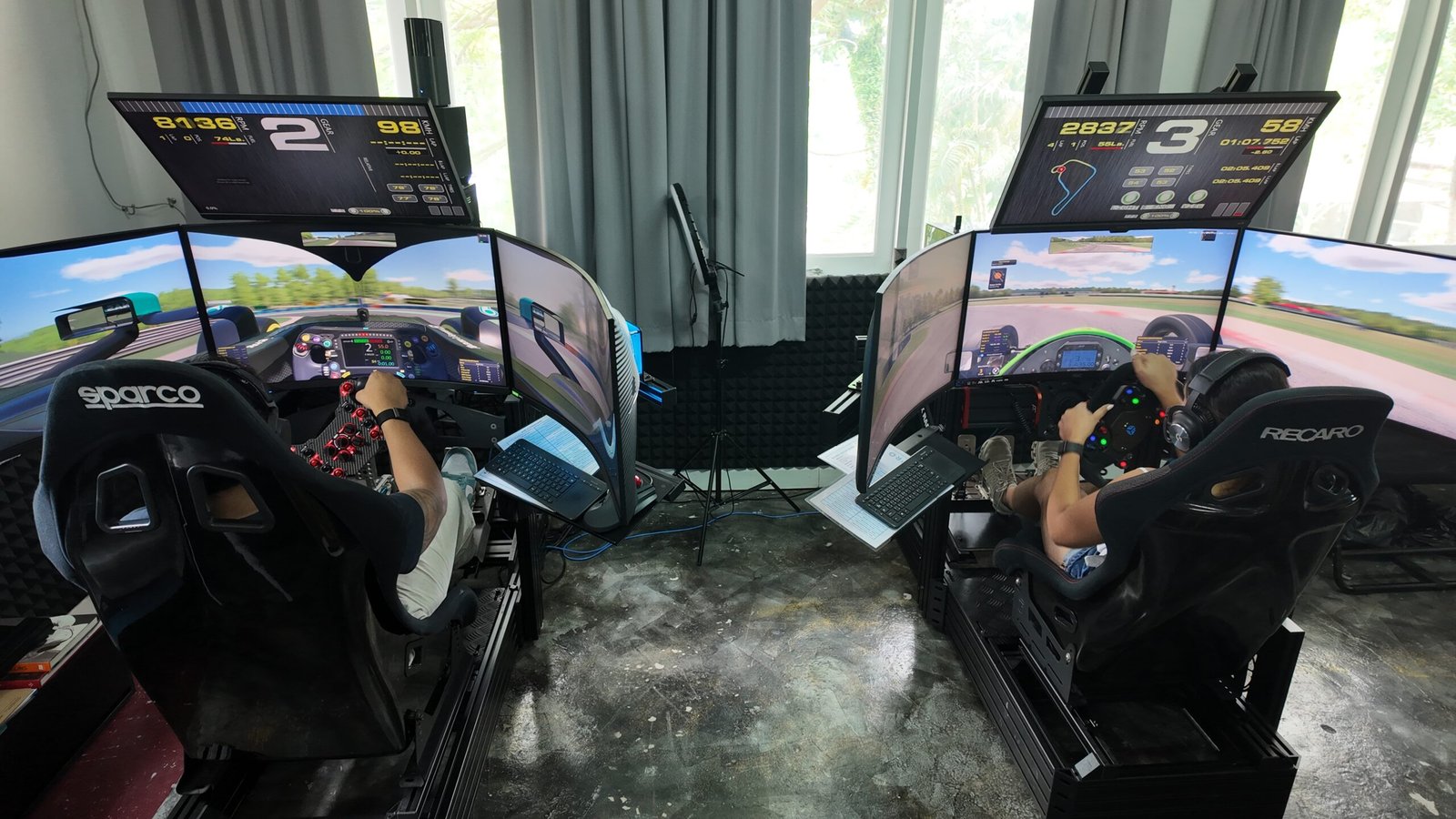
Competitive sim racing has become a global phenomenon, with major events drawing in thousands of participants and viewers. Platforms like iRacing, Assetto Corsa and GranTurismo Sport have set the stage for virtual racers to showcase their skills. These platforms offer highly accurate physics engines, replicating real-world vehicle dynamics and track conditions. As a result, sim racers gain valuable experience in car control, strategy, and racecraft.
The evolution of sim racing platforms has been nothing short of revolutionary. Early sim racing games were rudimentary, with basic graphics and limited realism. However, advancements in software and hardware technology have transformed these platforms into sophisticated simulations. Modern sim racing platforms now incorporate advanced physics engines, high-resolution graphics, and realistic soundscapes, making the virtual racing experience remarkably lifelike.
The global landscape of competitive sim racing has expanded dramatically. Major tournaments and leagues are now held worldwide, attracting thousands of participants and millions of viewers. Events like the Virtual Le Mans and the eNASCAR Coca-Cola iRacing Series have elevated sim racing to a professional level. These events not only offer substantial prize pools but also provide a platform for sim racers to gain recognition and opportunities in the real racing world.
Technological advancements have been pivotal in bridging the gap between virtual and real-world racing. Innovations such as Virtual Reality (VR) headsets and motion simulators have enhanced the immersive experience of sim racing. VR headsets provide racers with a 360-degree view of the track, while motion simulators replicate the physical sensations of driving, such as g-forces and vibrations. These technologies allow sim racers to train under conditions that closely mimic real racing environments.
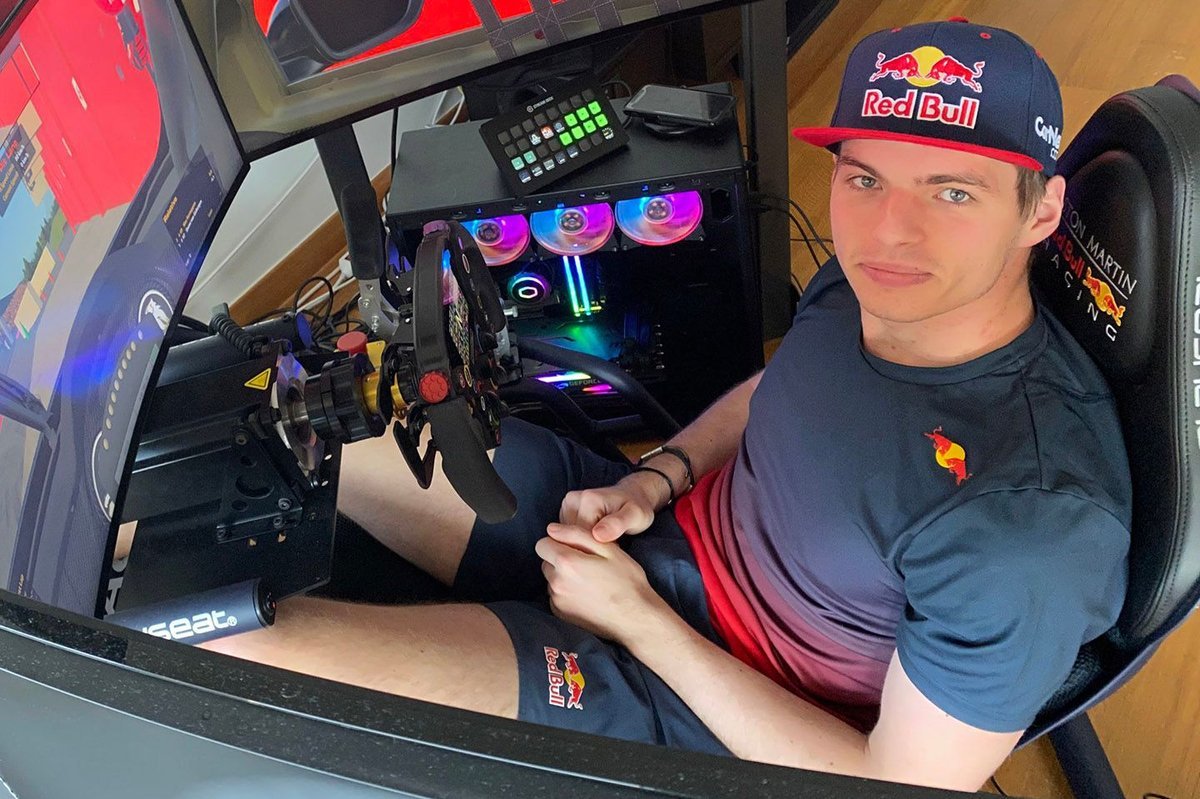
Several drivers have successfully transitioned from sim racing to professional motorsport. Let’s take a look at some of the most inspiring stories.
Max Verstappen, a name synonymous with Formula 1 success, is also a passionate sim racer. The Red Bull Racing star regularly competes in virtual races, using sim racing to refine his skills and stay sharp during the off-season. While Verstappen’s journey to F1 wasn’t solely through sim racing, his involvement in the virtual world highlights its importance in modern motorsport training.
Beyond just entertainment, sim racing offers Verstappen a unique platform to experiment with different strategies and setups. The ability to race in diverse conditions and vehicles allows him to gain insights that he can apply to his real-world racing career. His dual engagement in both realms underscores the growing symbiosis between sim racing and professional motorsport, where skills are honed and strategies are tested.
Jann Mardenborough‘s story is perhaps the most famous example of sim racing success. In 2011, Mardenborough won the GT Academy, a competition that identifies talented sim racers and provides them with the opportunity to race professionally. His victory launched a career in real-world motorsport, including stints in the prestigious 24 Hours of Le Mans and the GP3 Series. Mardenborough’s journey demonstrates the potential of sim racing as a stepping stone to a professional racing career.
Mardenborough’s transition from virtual to real racing is a testament to the skills and discipline developed in the sim racing environment. His success in GT racing highlights how sim racing can serve as a robust training ground, providing racers with the necessary skills to excel in high-pressure, real-world competitions. His story continues to inspire a new generation of sim racers who aspire to follow in his footsteps.
Beyond Verstappen and Mardenborough, several other drivers have made the leap from virtual to real racing. Ruby Van Buren, the winner of the “World’s Fastest Gamer” competition, became a simulator driver for McLaren. Similarly, Igor Fraga, a former FIA Gran Turismo Champion, transitioned to Formula 3 after showcasing his talents in the virtual arena.
These transitions highlight the viability of sim racing as a pathway to professional motorsport. Van Buren’s role with McLaren involved working closely with engineers to develop race strategies and improve vehicle performance, underscoring the technical acumen gained from sim racing. Fraga’s success in Formula 3 further demonstrates the transferable skills acquired in the virtual racing world, proving that sim racers can compete at the highest levels of motorsport.
Sim racing isn’t just about entertainment—it’s a serious training tool that helps bridge the gap between virtual and real-world racing.
Sim racing allows drivers to hone critical skills such as reaction time, spatial awareness, and race strategy. The ability to practice on various tracks worldwide, under different conditions, provides invaluable experience that translates to the real world.
The repetitive nature of sim racing enables drivers to perfect their techniques in a risk-free environment. Sim racers can experiment with different driving styles, learn the intricacies of each track, and develop a deep understanding of vehicle dynamics. This intensive practice regimen helps drivers build muscle memory and mental fortitude, essential traits for success in real-world racing.
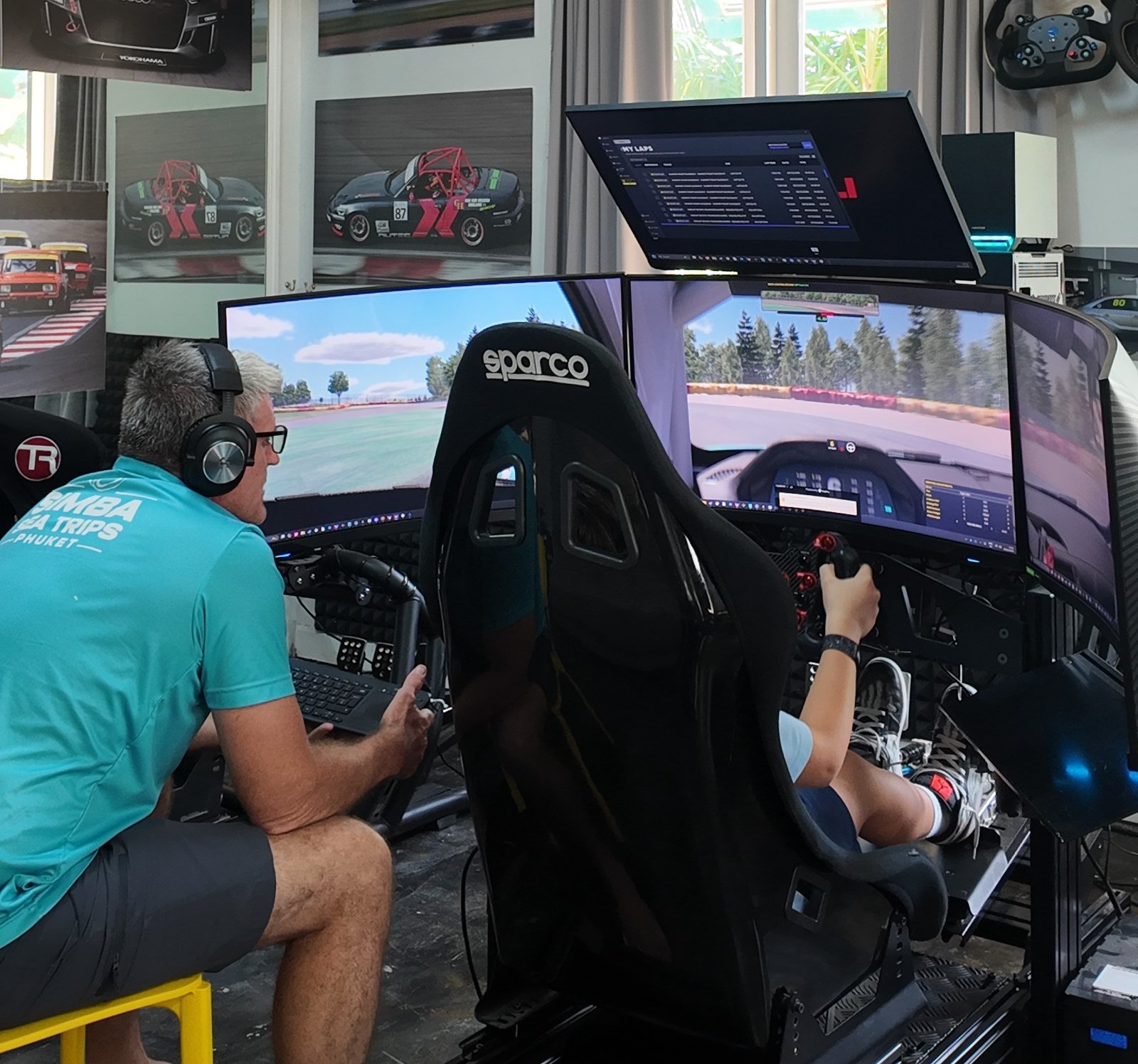
One of the most significant advantages of sim racing is its cost-effectiveness. Traditional motorsport requires substantial financial investment, making it inaccessible to many aspiring drivers. Sim racing, however, offers a more affordable way to develop driving skills and gain exposure to competitive racing.
The affordability of sim racing democratizes access to high-level racing practice. With just a modest investment in a sim racing setup, aspiring drivers can gain experience that might otherwise cost thousands of dollars in the real world. This accessibility allows a broader demographic to pursue racing careers, leveling the playing field and promoting diversity within the sport.
Sim racing platforms also serve as networking hubs where drivers can connect with teams, sponsors, and industry professionals. This exposure can open doors to real-world racing opportunities, as teams seek talented drivers who have proven themselves in the virtual domain.
Sim racing communities are vibrant ecosystems where racers can build relationships and share knowledge. Active participation in these communities can lead to sponsorship deals, team invitations, and mentorship opportunities. The visibility gained from competing in high-profile sim racing events can be a springboard to a career in professional motorsport, providing a valuable platform for networking and career growth.
As technology continues to evolve, the line between sim racing and real racing will likely blur even further. Virtual reality and advanced motion simulators are enhancing the realism of sim racing, providing an even more immersive experience.
We can expect increased integration of sim racing into traditional motorsport, with more teams recognizing the value of virtual training. This trend opens up new avenues for sim racers to showcase their skills and potentially transition into professional racing.
The growing acceptance of sim racing within the motorsport community is evident as more teams invest in virtual training programs. These programs enable teams to scout talent, develop drivers, and refine race strategies in a cost-effective manner. As sim racing continues to prove its worth, its integration into the fabric of motorsport will only deepen.
The democratization of racing through sim platforms could lead to more diverse talent entering the sport. With fewer barriers to entry, sim racing provides opportunities for individuals from various backgrounds to pursue careers in motorsport.
Sim racing’s accessibility has the potential to revolutionize the motorsport industry by broadening its talent pool. By lowering financial and logistical barriers, sim racing creates opportunities for individuals who might not have had the chance to participate in traditional racing. This diversity enriches the sport, bringing fresh perspectives and driving innovation.
As technology continues to advance, the prospects for sim racing are limitless. Developments in artificial intelligence, machine learning, and augmented reality could further enhance the training capabilities of sim racing platforms. These innovations promise to create even more realistic and effective training environments, pushing the boundaries of what sim racing can achieve.
The success stories above share one thing: every driver started with seat time and honest feedback. You don’t need a career ambition to benefit from the same approach — you just need a structured place to begin.
At SIMPRO, that starting point is our coaching, not just the hardware. Beginners drive the Mazda MX-5 Cup on iRacing — the same disciplined, low-power car that teaches car control properly — on Simucube 2 Pro rigs with load-cell pedals and full telemetry. Every session ends with a debrief where we read your braking traces and racing line against the lap time, so you can see precisely what to change next time.
For anyone who wants a real progression rather than a one-off try, we run two structured programmes: a 6-session Introductory course to build the fundamentals, and a 10-session Comprehensive course for drivers who want to develop consistent race pace. It’s the closest thing to a real driver-development pathway you’ll find in Phuket — and it starts at Boat Lagoon Marina, inside Soho Pool Club.
The reason sim racing transfers to the road and the track is the feedback loop. At SIMPRO Academy, every session runs on iRacing — the platform professional drivers use — with the Mazda MX-5 Cup as a balanced, rewarding training car. After each run we review full telemetry together: braking traces, throttle inputs, racing lines and lap deltas, so you can see exactly where you’re losing time and what to change next lap.
That data-led approach is built into our coaching. Choose a 5-session Introductory course to learn the fundamentals, or a 10-session Comprehensive course to build consistency and racecraft over time. Each session is about 60 minutes — a 5-minute brief, 45 minutes of driving, and a 10-minute debrief over your numbers — and sessions start from 1,300 THB. Explore our sim racing sessions to get started.
Want the science behind it? Read how sim racing doubles as brain training for peak performance.
Sim racing is no longer just a pastime for gaming enthusiasts; it’s a legitimate pathway to real-world racing success. Stories like those of Max Verstappen and Jann Mardenborough illustrate the potential for sim racers to achieve greatness on the track. As technology continues to advance, we can expect even more success stories, showcasing the transformative power of sim racing in the world of motorsport.
Sim racing offers a unique blend of accessibility, skill development, and exposure, making it an exciting frontier for aspiring racers. Whether you’re a fan, a gamer, or an aspiring driver, the world of sim racing holds endless possibilities. The continued evolution of this virtual sport promises to redefine the future of racing, offering new opportunities for those passionate about motorsport.
Sim racing is having a landmark year — see our round-up of sim racing’s big summer of 2026.
Yes — the transferable skills are car control, braking precision, racing line, and reading grip. Our telemetry-led debriefs are designed to make that transfer deliberate rather than accidental.
Book a session at SIMPRO Academy at Boat Lagoon Marina. No experience is needed — every session begins with a briefing, and our coaching programmes give you a structured path from your first lap onward.
Paul Chappell is Founder and Operator of SIMPRO Academy Phuket. With 23+ years as a professional airline pilot, including a Lead Captain position on a Boeing Business Jet where he managed flight training and checking responsibilities, Paul brings deep expertise in precision performance and simulator-based training. He is a Qualified Flight Instructor with thousands of hours on certified full-motion flight simulators. Beyond aviation, Paul is a lifelong motorsport enthusiast — 10+ years of high-performance motorbike riding, multiple AMG track days, a completed professional rally driver training course, and extensive go-kart racing. He founded SIMPRO Academy Phuket in 2024.
Reach Paul: info@simproacademyphuket.com | +66 62 962 2822
Leave a Comment: