

Getting Started with Sim Racing A Beginner’s Guide
Are you ready to dive into the exhilarating world of sim racing? Whether you’re a motorsport enthusiast or just someone looking to experience the thrill of racing from the comfort of your home, sim racing offers an immersive experience that’s both exciting and accessible. In this guide, we’ll walk you through everything you need to know to get started, from choosing the right equipment to setting up your racing rig.
The Evolution of Sim Racing
Sim racing has come a long way since its inception. Early racing games offered basic graphics and limited realism, but technological advancements have transformed sim racing into a highly sophisticated simulation. Today’s games feature detailed car models, realistic physics engines, and dynamic weather systems, providing a near-authentic racing experience. [ History of Sim Racing ]Realism vs. Arcade: The Key Differences
Understanding the difference between sim racing and arcade racing is crucial for beginners. Arcade games prioritize fun and accessibility, often featuring exaggerated physics and easier controls. Sim racing, on the other hand, demands precision and skill, as it strives to mirror real-world racing conditions. This difference means that sim racers must practice and develop techniques similar to those used by professional drivers. [Sim Racing vs Arcade Racing Explained]The Appeal of Sim Racing
The appeal of sim racing lies in its ability to offer a realistic driving experience without the costs and risks associated with real-world motorsports. Aspiring racers can test their skills on iconic tracks and in legendary cars, all from the comfort of their homes. Moreover, sim racing provides an excellent platform for learning the fundamentals of racing, making it an attractive option for both hobbyists and those pursuing a racing career.Choosing the Best Sim Racing Setup for Beginners
Before you hit the virtual track, you’ll need to invest in some essential gear. Here’s a breakdown of the basic components you’ll need for a beginner-friendly sim racing setup.Racing Wheel and Pedals
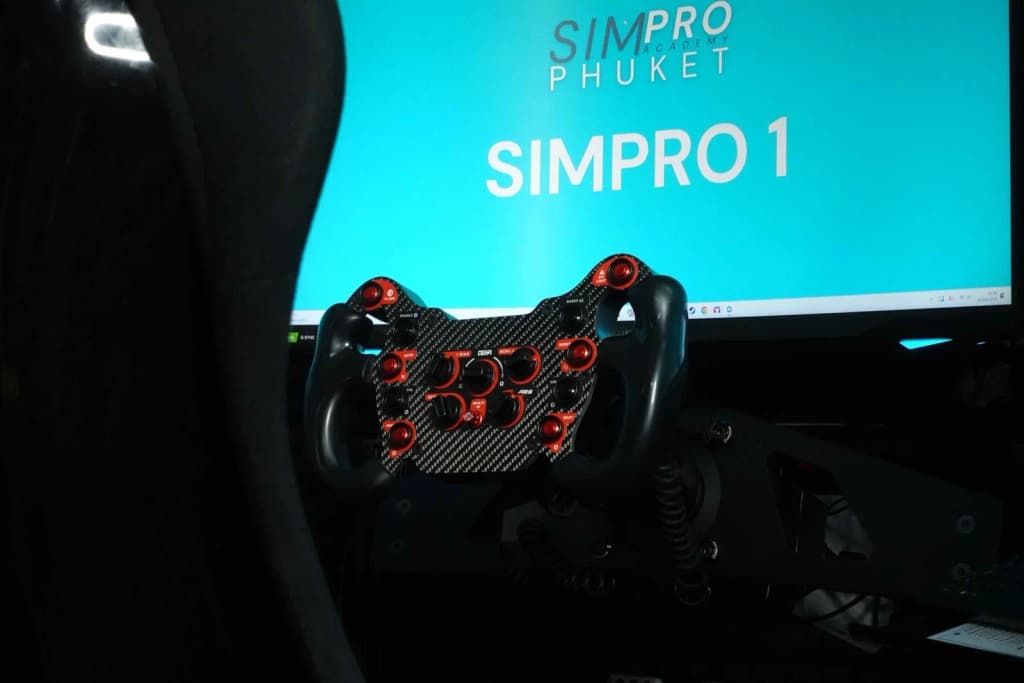
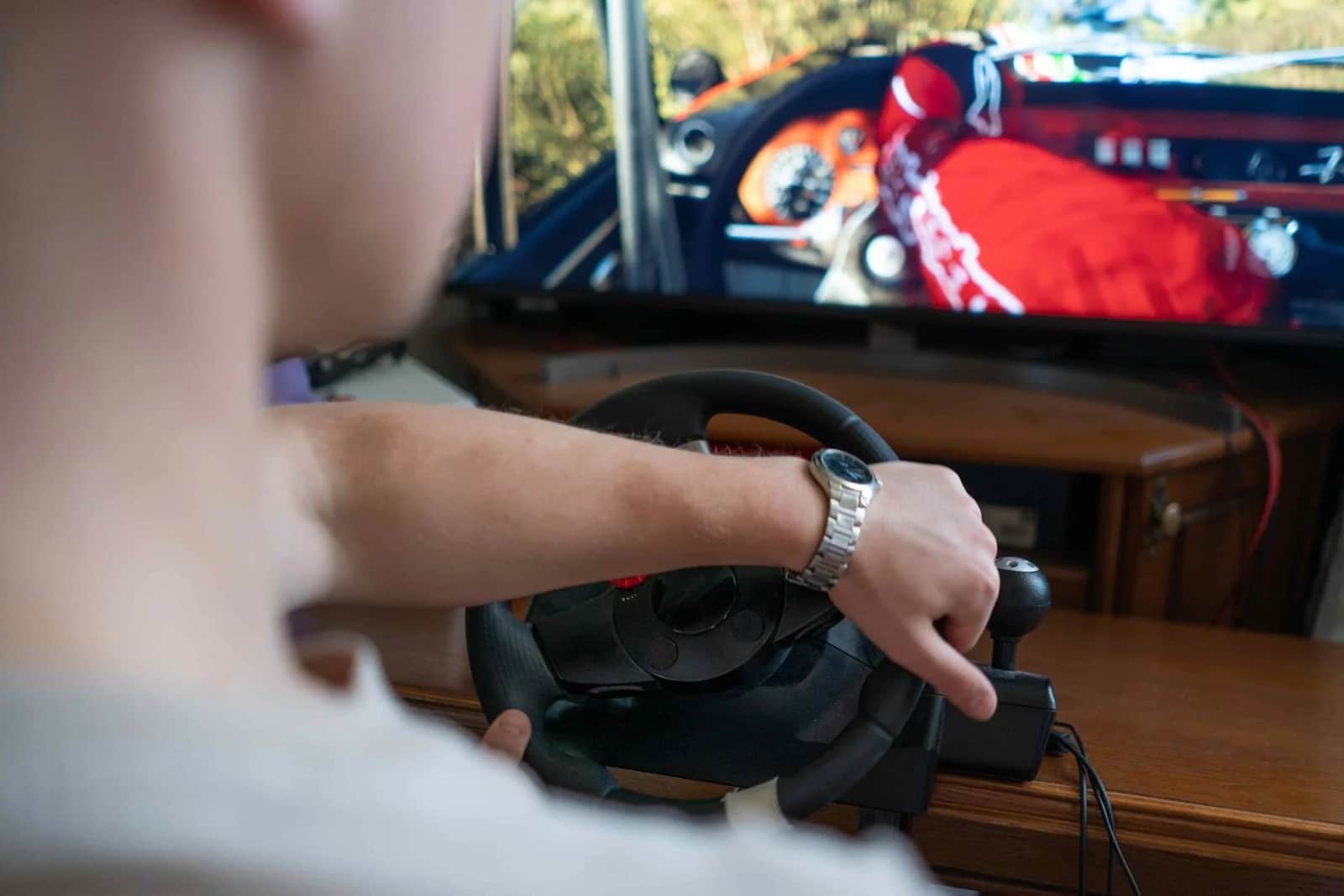
The heart of any sim racing setup is the racing wheel and pedal set. A quality wheel and pedal set can significantly enhance your racing experience, providing tactile feedback and precision control. Look for a wheel that offers force feedback, which simulates the physical feel of the car on the road. [Best Sim Racing Wheels & Pedals]Selecting the Right Wheel
When choosing a racing wheel, consider the range of motion and the level of force feedback it provides. Entry-level wheels offer 270 degrees of rotation, while more advanced options provide up to 1080 degrees, mimicking real steering wheels. Force feedback strength varies, so try to test different models to find one that meets your comfort and performance needs.Understanding Pedal Sets
Pedals play a critical role in sim racing, affecting acceleration, braking, and overall control. Basic pedal sets include just two pedals, but higher-end models offer three-pedal setups, including a clutch for manual gear shifting. Look for pedals with adjustable resistance and metal construction for added durability and realism.Enhancing Your Experience with Add-ons
To further enhance your sim racing experience, consider investing in additional peripherals such as a gear shifter or a handbrake. These accessories provide more control and realism, especially for rally or drifting simulations. While not essential for beginners, they can add depth to your racing experience as you progress.Gaming Console or PC
Your choice of gaming platform will depend on your preferences and budget. Sim racing games are available on both gaming consoles, like PlayStation and Xbox, and PCs. PCs generally offer more customization options and a wider range of titles, but consoles can be more budget-friendly and easier to set up.The Versatility of PCs
PCs are favored by serious sim racers due to their flexibility and performance capabilities. With a PC, you can upgrade components, such as graphics cards and processors, to ensure smooth gameplay and high-quality visuals. Furthermore, PCs support a broader range of sim racing titles, including many that are exclusive to the platform.The Simplicity of Consoles
Consoles provide a straightforward and cost-effective way to start sim racing. They require minimal setup and maintenance, making them ideal for beginners. While consoles may have fewer customization options than PCs, they still offer a wide selection of popular racing games and are often more accessible for casual gamers.Cross-Platform Considerations
When deciding between a PC and a console, consider the compatibility of your chosen wheel and pedal set. Some peripherals are cross-compatible, while others are specific to a platform. Ensure that your setup aligns with your preferred gaming system to avoid compatibility issues.
Racing Seat or Cockpit
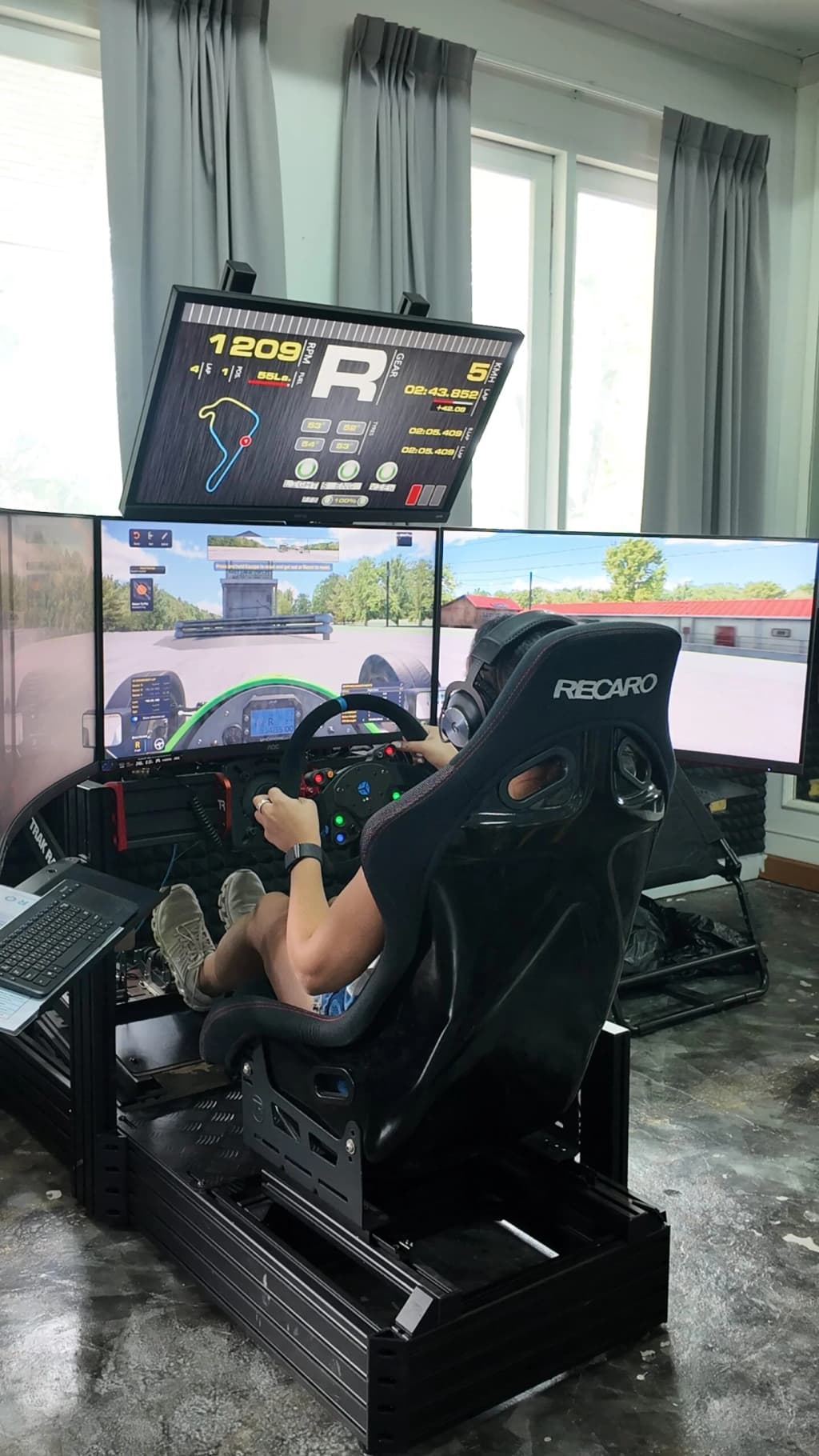
While not strictly necessary, a racing seat or cockpit can add to the authenticity of your sim racing experience. These setups range from simple wheel stands to full racing cockpits that include a seat, wheel mount, and pedal base. A stable setup will help maintain comfort during long racing sessions.Exploring Different Options
Racing seats and cockpits come in various designs and price ranges. Basic wheel stands are portable and adjustable, making them suitable for small spaces. Mid-range options include seats with integrated wheel and pedal mounts, providing a more immersive experience. High-end cockpits offer complete adjustability and stability, replicating the feel of a real racing car.Prioritizing Comfort and Ergonomics
Comfort is crucial for extended racing sessions, so select a seat that offers adequate support and adjustability. Look for features such as lumbar support and adjustable seating angles. Ergonomics also play a role in performance, as a proper driving position can improve precision and reduce fatigue.DIY Cockpit Solutions
For those on a budget, DIY cockpit solutions can be a cost-effective alternative. With basic carpentry skills and materials, you can build a custom setup tailored to your needs. Online communities and tutorials offer valuable guidance for constructing a DIY racing cockpit.Monitor or VR Headset
Visuals play a crucial role in sim racing. A high-resolution monitor or a virtual reality (VR) headset can enhance your immersion. If you choose a monitor, consider one with a high refresh rate for smoother visuals. VR headsets offer an unparalleled level of immersion, allowing you to look around the virtual cockpit as if you were sitting in the car.Choosing the Right Monitor
When selecting a monitor, prioritize resolution and refresh rate. A 1440p or 4K monitor provides sharp visuals, while a refresh rate of 144Hz or higher ensures smooth motion. Consider ultrawide monitors for a more immersive field of view, which can enhance peripheral awareness in races.Exploring VR for Sim Racing
VR headsets provide a unique level of immersion by placing you directly in the driver’s seat. However, they require a powerful PC to run smoothly. Consider factors such as resolution, field of view, and comfort when choosing a VR headset. Note that not all sim racing titles support VR, so check compatibility before investing.Multi-Monitor Setups
For a more comprehensive racing experience, consider a multi-monitor setup. Arranging three monitors in a curved formation can create a panoramic view, enhancing situational awareness and immersion. This setup requires a compatible graphics card capable of handling the additional displays.Setting Up Your Sim Racing Rig
Once you’ve acquired your gear, it’s time to set up your sim racing rig. Here are some tips to help you get started.Find the Right Space
Choose a location that provides enough room for your setup, including the wheel, pedals, and seat or cockpit. Ensure the area is well-ventilated and free from distractions to maintain focus during races.Optimizing Space
When selecting a space for your sim racing rig, consider the room’s layout and available space. A dedicated gaming room or corner can help minimize disruptions and provide a permanent setup. Ensure that the area has adequate lighting and ventilation to maintain comfort during long sessions.Managing Cables and Clutter
Cable management is essential for maintaining a tidy and organized setup. Use cable ties or clips to secure wires and prevent tangling. Consider investing in a power strip or surge protector to manage multiple connections efficiently. Keeping your space organized will enhance your focus and enjoyment of sim racing.Soundproofing and Acoustics
Consider the acoustics of your chosen space, especially if you plan to use a sound system or gaming headset. Carpets, curtains, and acoustic panels can help reduce echo and improve sound quality. Soundproofing can also minimize noise disturbances to others in your household.Adjust Your Gear
Properly adjusting your wheel, pedals, and seat is crucial for comfort and performance. Position the wheel at a comfortable distance where you can easily reach it without straining. The pedals should be within easy reach, allowing for smooth and controlled inputs. If you’re using a seat or cockpit, adjust it to mimic a real driving position for added realism.Fine-Tuning Wheel Position
The position of your racing wheel can significantly impact your control and comfort. Adjust the wheel’s height and angle to ensure a natural grip and steering motion. Your elbows should be slightly bent when holding the wheel, promoting relaxed and precise steering inputs.Pedal Adjustment for Optimal Control
Ensure your pedals are positioned for easy access and comfortable use. Adjust the angle and spacing to match your foot size and driving style. Experiment with pedal resistance settings to find the right balance between realism and comfort, which can enhance your braking and acceleration control.Seat Position and Ergonomics
Achieving the correct seating position is vital for sim racing performance. Adjust your seat height and distance from the wheel to replicate a real driving position. Your knees should be slightly bent when pressing the pedals, and your back should be well-supported to reduce fatigue during extended races.
Calibrate Your Equipment
Most racing games and sims allow you to calibrate your wheel and pedals. This step is essential to ensure that your inputs are accurately registered in the game. Follow the instructions provided with your gear to complete the calibration process.Calibration Process
Calibration involves setting the wheel’s center point and pedal sensitivity to match the in-game settings. Follow the manufacturer’s instructions and use the game’s calibration tool for precise results. Regularly check and recalibrate your equipment to maintain accuracy and performance.Adjusting Force Feedback
Fine-tune the force feedback settings to suit your preferences and driving style. Too much feedback can lead to fatigue, while too little can reduce realism. Experiment with different levels until you find a comfortable and immersive balance.Troubleshooting Calibration Issues
If you encounter calibration issues, check for software updates and firmware upgrades for your gear. Ensure that drivers are correctly installed and that the wheel and pedals are securely connected. Online forums and manufacturer support can provide additional troubleshooting assistance.Selecting Your First Sim Racing Game
With your setup ready, it’s time to choose a sim racing game that suits your interests and skill level. Here are a few popular options for beginners:- iRacing (PC): A leading online racing simulator known for its unmatched realism, competitive multiplayer environment, and officially licensed tracks. It’s ideal for those seeking structured races, accurate physics, and an authentic motorsport experience.
- EA SPORTS WRC (PC/Console): The official World Rally Championship game, featuring dynamic weather, realistic surfaces, and challenging rally stages from around the globe. With its detailed car handling and immersive career mode, it’s perfect for drivers who enjoy the thrill of off-road racing and precise vehicle control.
- Assetto Corsa (PC): A highly regarded sim known for its realistic physics and extensive modding community, perfect for those seeking a true-to-life racing experience.
Exploring Game Features
When selecting a sim racing game, consider the features that appeal to you. Some games prioritize realistic physics and car handling, while others focus on customization and track variety. Research game reviews and watch gameplay videos to understand the unique aspects of each title.Understanding Game Modes
Many sim racing games offer various modes, such as career, time trial, and multiplayer. Consider which modes align with your interests and goals. Career modes provide a structured progression, while time trials and multiplayer modes offer competitive racing experiences.Exploring Online Communities
Sim racing games often have active online communities that host events, leagues, and discussions. Joining these communities can enhance your gaming experience by providing additional challenges and opportunities to connect with fellow racers. Look for forums and social media groups dedicated to your chosen game.Tips for Improving Your Sim Racing Skills
Starting out in sim racing can be challenging, but practice and persistence will pay off. Here are some tips to help you improve:Learn the Tracks
Familiarize yourself with the tracks you’ll be racing on. Practice makes perfect, so spend time learning the layout, corners, and braking points of each circuit.Breaking Down Each Corner
Analyze each track’s corners to understand their unique characteristics. Identify the best racing line, braking points, and acceleration zones. Practicing individual corners can improve your lap times and overall performance.Using Track Maps and Guides
Track maps and guides can provide valuable insights into racing lines and strategies. Study these resources to gain a better understanding of each circuit. Many games offer driving aids and tutorials to help you learn tracks more effectively.Practicing Consistency
Consistency is key to success in sim racing. Focus on maintaining smooth and precise inputs throughout each lap. Avoid overdriving and aim for steady improvement, rather than pushing for immediate speed.Perfect Your Technique
Focus on smooth and precise inputs. Avoid oversteering and braking too hard. Gradually increase your speed as you become more comfortable with your setup.Mastering Throttle Control
Throttle control is crucial for managing acceleration and maintaining traction. Practice applying smooth and gradual throttle inputs, especially when exiting corners. Overuse of the throttle can lead to wheel spin and loss of control.Refining Steering Techniques
Develop precise steering techniques to enhance your control and responsiveness. Avoid excessive steering inputs, which can lead to understeer or oversteer. Focus on maintaining a stable and balanced steering motion throughout each corner.Improving Braking Skills
Effective braking is essential for reducing lap times and improving control. Practice threshold braking, which involves applying maximum brake pressure without locking the wheels. Experiment with brake bias settings to find the optimal balance for different track conditions.Analyze Your Performance
Review your races to identify areas for improvement. Many sim racing games offer replay features or telemetry data that can help you analyze your performance and make necessary adjustments.Using Replays for Analysis
Replays are valuable tools for reviewing your driving performance. Analyze your racing lines, braking points, and corner exits to identify areas for improvement. Compare your laps with those of faster drivers to understand their techniques and strategies.Leveraging Telemetry Data
Telemetry data provides detailed information on your driving performance, including speed, throttle, and brake inputs. Use this data to identify patterns and areas for improvement. Many sim racing games offer built-in telemetry tools or support third-party applications for in-depth analysis.Setting Goals and Tracking Progress
Set specific goals for each practice session, such as improving lap times or perfecting cornering techniques. Track your progress over time to identify trends and areas for continued improvement. Celebrate small victories to maintain motivation and focus.Building Your Sim Racing Community
Sim racing is more than just a solo experience; it’s a vibrant community of enthusiasts. Join online forums, social media groups, and racing leagues to connect with fellow sim racers. Sharing tips, participating in online events, and competing against others can enhance your experience and help you grow as a racer.Joining Online Forums
Online forums provide a platform for discussing sim racing topics, sharing experiences, and seeking advice. Popular forums often have dedicated sections for different games and equipment. Engaging with these communities can help you learn from experienced racers and stay updated on the latest trends.Participating in Racing Leagues
Racing leagues offer structured competitions and events for sim racers of all skill levels. Joining a league can provide a sense of camaraderie and challenge, as you compete against other enthusiasts. Look for leagues that match your interests and commitment level.Engaging on Social Media
Social media platforms are valuable resources for connecting with sim racing communities. Follow official game accounts, join groups, and participate in discussions to stay informed and engaged. Sharing your progress and experiences can also inspire others and foster a sense of community.Conclusion
Sim racing offers an exciting and accessible way to enjoy the thrills of motorsport from the comfort of your home. By selecting the right equipment, setting up your rig, and honing your skills, you’ll be well on your way to mastering the virtual track. So, buckle up, start your engines, and get ready for an unforgettable sim racing journey. Embrace the challenges and rewards of sim racing, and immerse yourself in a passionate and supportive community of fellow enthusiasts. Whether you’re racing for fun or aiming for competitive success, the world of sim racing awaits your exploration.About the Author
Paul Chappell is Founder and Operator of SIMPRO Academy Phuket. With 23+ years as a professional airline pilot, including a Lead Captain position on a Boeing Business Jet where he managed flight training and checking responsibilities, Paul brings deep expertise in precision performance and simulator-based training. He has previously operated as a qualified flight instructor and has logged hundreds of hours on certified full-motion flight simulators. Beyond aviation, Paul is a lifelong motorsport enthusiast — 10+ years on high-performance motorbikes, multiple track days in an AMG 45S, a professional rally driver training course, and extensive experience on high-performance go-karts. He founded SIMPRO Academy in 2024 to bring professional-grade sim racing and flight simulation training to Southeast Asia.
Frequently Asked Questions (FAQ)
Sim racing, short for simulated racing, is a realistic motorsport experience that replicates real-world racing dynamics through digital simulations. Using professional setups with steering wheels, pedals, and realistic physics, drivers can experience the thrill and precision of real racing. At SIMPRO Academy Phuket, our simulators deliver authentic sensations of speed, grip, and control \u2014 all in a safe, enjoyable environment."}},{"@type":"Question","name":"2. Do I need experience to try sim racing?","acceptedAnswer":{"@type":"Answer","text":"
Not at all. Sim racing is perfect for complete beginners. At SIMPRO Academy Phuket, we provide guided coaching sessions to help newcomers learn the basics \u2014 from braking and cornering techniques to understanding race lines. Our trainers ensure you feel comfortable and confident behind the wheel, whether it\u2019s your first time or you\u2019re building on existing driving skills."}},{"@type":"Question","name":"3. What kind of setup does SIMPRO Academy Phuket provide?","acceptedAnswer":{"@type":"Answer","text":"
We use professional-grade racing simulators featuring high-performance wheels, pedals, racing seats, and either triple-screen or VR displays. The setups are designed to give a true-to-life racing feel while maintaining comfort and accessibility for all ages. Every station is calibrated for precision, so you can enjoy smooth handling, realistic force feedback, and immersive visuals."}},{"@type":"Question","name":"4. Is sim racing only for professionals or can anyone enjoy it?","acceptedAnswer":{"@type":"Answer","text":"
Sim racing is open to everyone \u2014 not just pros. Many visitors come simply to experience the excitement of racing without the risks or costs of track driving. Whether you\u2019re a motorsport enthusiast, gamer, or curious beginner, SIMPRO Academy Phuket offers experiences tailored to your level, from fun sessions to advanced driver coaching."}},{"@type":"Question","name":"5. Can sim racing improve real-life driving skills?","acceptedAnswer":{"@type":"Answer","text":"
Yes. Sim racing helps improve focus, reaction time, and vehicle control \u2014 key skills that translate into real-world driving. Through coaching at SIMPRO Academy Phuket, you\u2019ll also develop an understanding of racing lines, braking zones, and smooth throttle application, which are useful both on the simulator and the track."}},{"@type":"Question","name":"6. Do I need to bring my own equipment?","acceptedAnswer":{"@type":"Answer","text":"
No, everything is provided for you. Our simulators at SIMPRO Academy Phuket are fully equipped and maintained to professional standards. All you need to do is show up \u2014 we\u2019ll set you up with a suitable rig and guide you through the experience from start to finish."}},{"@type":"Question","name":"7. Do you sell or support sim racing software?","acceptedAnswer":{"@type":"Answer","text":"
No, SIMPRO Academy Phuket does not sell or support sim racing software or hardware. Our focus is on providing hands-on coaching and immersive simulation experiences. We supply everything needed for training, practice, and enjoyment using our in-house simulators."}},{"@type":"Question","name":"8. Is sim racing suitable for children?","acceptedAnswer":{"@type":"Answer","text":"
Yes, sim racing can be a fun and educational activity for kids. Our simulators can be adjusted for younger drivers, and our staff ensures a safe and enjoyable session. Many families visit SIMPRO Academy Phuket together, making it a great shared experience that\u2019s both exciting and skill-building."}},{"@type":"Question","name":"9. Can I book private sessions or group events?","acceptedAnswer":{"@type":"Answer","text":"
Absolutely. SIMPRO Academy Phuket offers private one-on-one coaching, small group sessions, and even corporate or team-building events. Whether you want to learn, compete, or simply have fun with friends, we can tailor each session to fit your goals and schedule."}},{"@type":"Question","name":"10. How do I get started at SIMPRO Academy Phuket?","acceptedAnswer":{"@type":"Answer","text":"
Getting started is easy \u2014 simply contact SIMPRO Academy Phuket to book your session. Our team will help you choose the right program, whether you\u2019re a beginner looking to try sim racing for the first time or an experienced driver aiming to refine your technique. Once you arrive, our instructors will handle the setup and guide you through the full experience."}}]}